
Emerging iGaming Solutions to Watch in 2026
Innovative developments are occurring at a rapid pace in the iGaming industry, and many new types of solutions have emerged over the past few years. These solutions often use novel combinations of entertainment and wagering and come from diverse industries.
DSTGAMING has observed these changes very closely as an experienced supplier of iGaming solutions, and this article discusses a few of the new iGaming solutions that online gaming operators should be looking at in 2026.
Creator-Led Betting Changes Acquisition
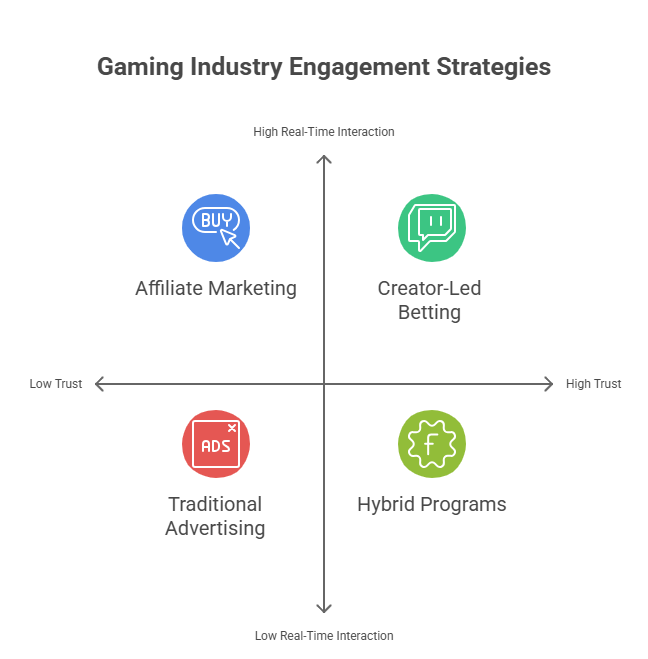
The way a new relationship is built between a gaming creator/streamer and a player community differs greatly from an affiliate marketing approach. Affiliate marketing programs involve affiliates generating traffic from search and content to an affiliate’s website. After players arrive at the affiliate’s site, they go to their affiliate’s chosen site to place bets.
This new model is built on how streamers interact with their viewers in a live, real-time setting. Because the streamer is interacting with their audience at the same time, they are gaming, there is an opportunity for the streamer to take something that is entertaining to them, and turn it into a betting opportunity instantly.
Over the years, streamers develop a certain level of trust with their audiences. This trust translates into their followers’ betting behavior, which traditional advertising cannot do. When streamers explain to their audience why they made a particular bet, a significant number of their followers will follow suit and make similar bets.
The changes to how the gaming industry is connecting with its audiences creates new challenges for operators. Compliance frameworks need to be able to accommodate live audiences who are signing up and the differing promotional regulations based on where the audience is from. DSTGAMING offers a variety of tools to help manage hybrid programs that allow both affiliates and creators to work together to promote gaming products.
Smart operators now build hybrid programs to measure audience engagement across multiple channels. These include traditional media, live content, and social media. To evaluate performance, they track key metrics such as viewing time and active interaction with content.
Tokenized Loyalty Travels Across Platforms
Loyalty programs are no longer limited to a single platform. Today, major gaming operators offer cross-platform loyalty systems. These programs let players earn points across casino, sports betting, and poker. Players can then use those points in any participating vertical. For example, they may earn points in poker and redeem them for free sports bets or casino table games.
Cross-Brand Tokenized Loyalty: Redefining Player Rewards
A new trend has started in cross-brand integration of tokenized loyalty programs. As customers earn loyalty tokens through one brand, those tokens will also be redeemable on partner brands or reward customers with access to non-gaming experiences altogether. Tokenized fandom communities, such as Socios.com, show how cross-platform tokenization can create a fanbase that can interact with the game ecosystem.
As this trend progresses, the way people view loyalty will dramatically change. Players who earn rewards for betting on different types of games will have a greater advantage than those who earn rewards for only one type of game.
At DSTGAMING, we consider this to be one of the greatest benefits for white-label gaming operators. Operators can create tokenized loyalty programs across their multiple brands using our white-label solutions, thus increasing the perceived value of their operators. As new platforms are powered by tokenized rewards, the ecosystem will create a competitive advantage and increase brand loyalty for the operators involved.
The technical hurdle will be in keeping player profiles consistent across numerous platforms. Operators will require secure identity management, as well as real-time updates of account balance. Our infrastructure provides this capability through application programming interfaces (APIs) that allow operators to synchronize loyalty data while safeguarding sensitive player information.
There is a valid concern for privacy in this ecosystem. As loyalty systems continually track user behavior across platforms, regulators are pressuring operators with difficult questions about who owns the data generated. Therefore, operators will need to carefully balance personalization benefits against privacy obligations.
Prediction Markets Enter Mainstream Betting
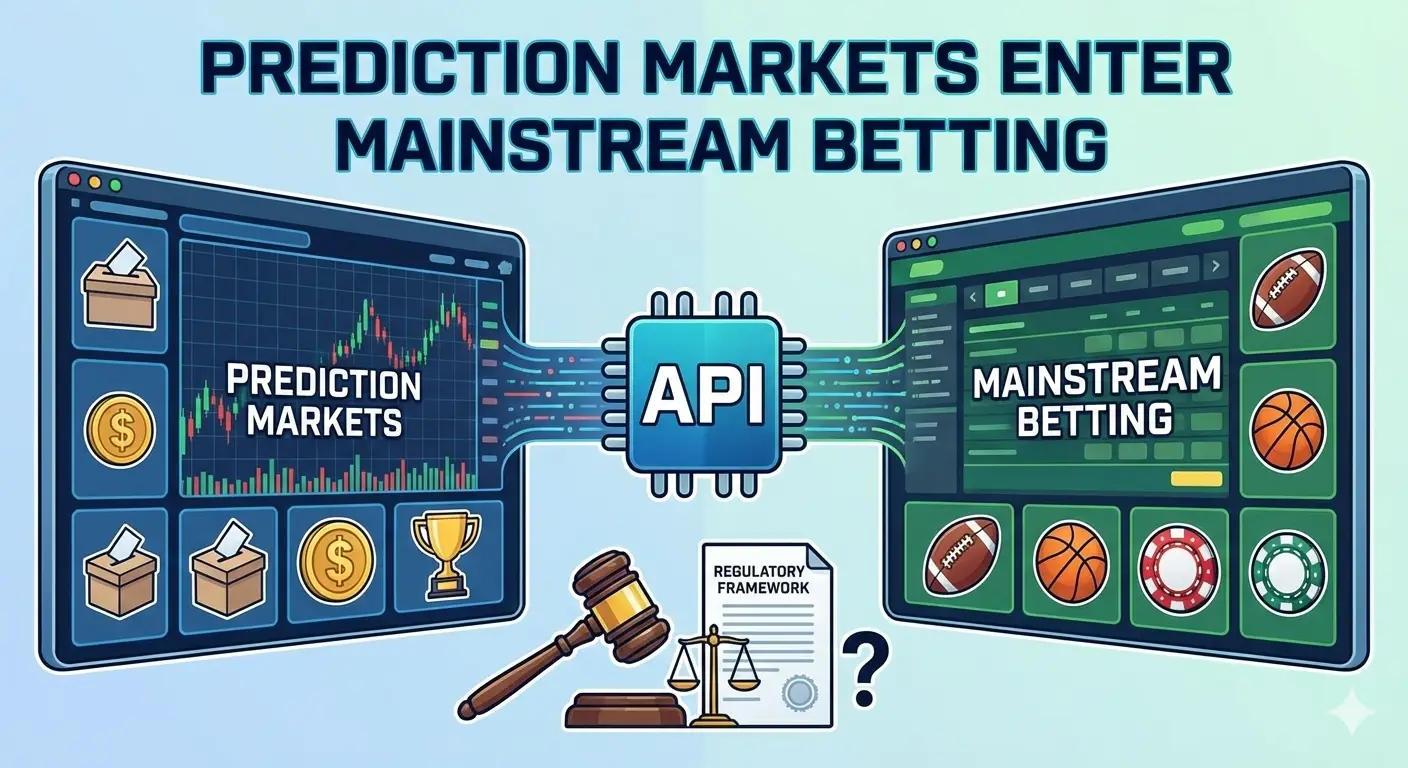
Prediction markets have entered the iGaming space from the finance industry. For instance, Kalshi recently secured over $300 million in funding and now has active operations in over 140 countries. Their trading volume has consistently reached over $1 billion weekly, representing genuine market demand.
This model allows players to bet on real-world events, rather than just betting on traditional sports events. Players can bet on all types of events, including the outcomes of elections, economic indicators, or entertainment awards. The structure of these bets is very different from traditional casino games and sports betting.
The Massachusetts government is alleging that Kalshi operates a gambling enterprise without a license. Kalshi argues this is false and that their contracts are financial instruments. This legal conflict defines the initial stages of the solution’s development.
Nonetheless, sportsbooks are starting to incorporate features found in prediction markets into their platforms. The way event contracts are sold and paid for based on results instead of odds creates an environment similar to sports betting. However, they will be governed by rules established by completely different regulatory frameworks.
Through the use of the DSTGAMING Aggregator API, operators now have the ability to pull both prediction market feeds and traditional betting content into their platform. By doing this, operators can expand their offerings without having to create entirely new systems. This is because, technically, integrating it into your platform will be identical to adding any other game provider.
The significant obstacle is not technical but rather regulatory in nature. Regulators in different jurisdictions may classify these activities differently, causing potential compliance issues. Operators will be required to continually monitor how each jurisdiction treats prediction contracts in relation to how they would treat gambling products.
Social Gaming Mechanics Become Core Features
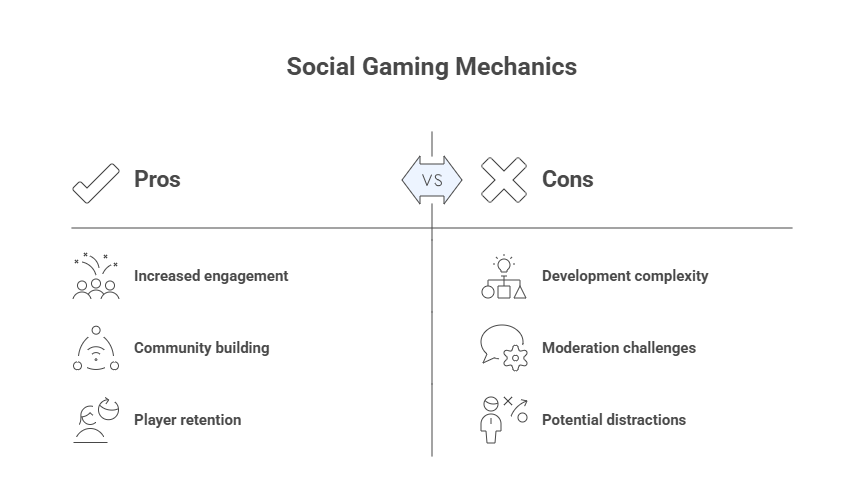
The majority of new players, specifically younger players, learned gaming through mobile apps and social platforms rather than physical casinos. Therefore, they expect to use functions such as chat, leaderboards, and community challenges while they are participating in the real-money platforms.
Social features have been traditionally set up as nice-to-have additions as opposed to being core features. But due to this generational shift, emerging platforms focus on building around a community first, before they add gambling functionality as needed.
Team play has been introduced into gaming. Now, when a player joins a team, competes in a group challenge, and earns rewards for the team’s achievements, they form a sense of belonging that cannot be achieved through playing independently.
Retention has also changed from a purely mathematical approach, with incentives based solely on deposit frequency, to an emotional approach. Casino operators now measure the level of attachment users feel toward their community and brand. Engagement has become equally important, if not more so.
DSTGAMING payment solutions with CRM solutions provide operators with the tools to leverage the social aspects of gaming. Operators will be able to create campaigns that highlight team accomplishments instead of individual bonuses or promotions.
As social interaction increases, the potential for harassment or other negative behaviors increases as well. This means that gaming operators must establish strong reporting processes and community standards to protect themselves and their players from any negative actions. This type of moderation is a new operational concern for gaming operators that traditional casinos did not deal with.
Data-Driven Content Becomes Interactive Experiences
Over time, data companies have transitioned from being primarily sales-oriented to having an enhanced focus on providing fan engagement experiences and video content that can be built around data feeds.
ALT Sports Data and GRID Esports have developed technology that combines live sports betting with real-time data and video. Casino operators can integrate these solutions directly into their websites. As a result, players gain instant access to data-driven insights alongside a live betting experience.
This addresses the problem of retention. Players who leave your platform to watch a game on another service may never come back. But by offering an embedded experience, players will stay on the platform for the entire duration of the event. With every additional minute, an operator has an opportunity for conversion.
This type of model is particularly beneficial to esports betting. Game data is complex, with hundreds of metrics per match. Therefore, data visualizations allow the average fan to interpret and understand how these metrics relate to the outcome of their bets.
DSTGAMING is leveraging these data visualizations as part of our overall product. Operators can select specific information and determine the priority in which it is displayed to the user’s experience. This is similar to adding a game provider to your platform, but instead of focusing on gameplay, the emphasis is placed on information.
In addition, the pricing structure for these visualizations is changing, as data providers now charge operators for the time spent engaged with the data as well as access to the data. Operators need to evaluate if the enhanced experience provided by the visualization tools warrants the additional cost of the data. While early results indicate that the enhanced experience does warrant the extra expense, margins will differ based on the specific sport being wagered on and its respective audience.
AI Agent Orchestration Enables Complex Workflows
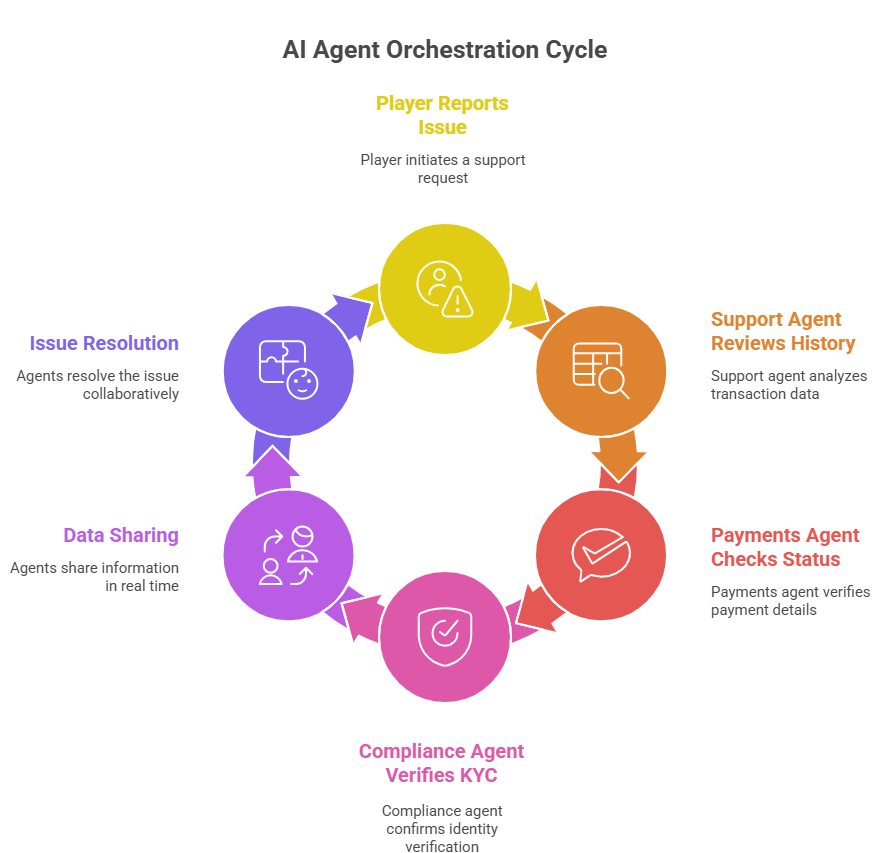
The introduction of multiple AI agents working independently of human influence or interaction will change how we view these processes.
For example, autonomous AI orchestration removes the limits of a single chatbot or recommendation engine.
Instead, this system coordinates multiple AI agents at the same time. It works without any human intervention.
When a player reports a deposit issue, a customer support agent can work with both a payments agent and a compliance agent at the same time. First, the support agent reviews the player’s transaction history. Meanwhile, the payments agent checks the payment status. At the same time, the compliance agent verifies the KYC process. By sharing data in real time, all three agents resolve issues faster than traditional handoffs between employees.
The DSTGAMING online casino software creates similar orchestration capabilities. We are currently creating frameworks in which specialized agents manage their specific domain and communicate using standardized protocol. Consequently, this allows for flexibility as new agent types are added.
The biggest technical challenge to this approach is determining the boundaries of each agent’s responsibility. There are many occurrences of agents working within overlapping domains, which can cause conflicting instructions or information between agents. Solid architecture will remove the opportunity for these occurrences through proper system design.
The debugging process is also more difficult to execute when agents need to collaborate to reach a decision because you’ll need to research all three logs to find out how any particular decision was made.
Conclusion
In 2026, new iGaming innovations will reshape the industry. These include creator-led betting, token-based loyalty systems, and prediction markets.
At the same time, advances in technology will change how players interact with online gambling. For example, social mechanics, AI-driven engagement, and VR environments will create more immersive experiences.
Operators that are willing to embrace experimentation have a tremendous opportunity to capitalize on these innovations. However, not all innovations will result in success. Therefore, the winners will be those who test, learn, and adjust to changes quickly. That’s how to gain a competitive advantage today instead of waiting for the future of iGaming to unfold.
Enjoy the thrill of the game, armed with DSTGAMING’s knowledge and strategy.
Transform your experience from one of passive luck to one of active, informed and potentially rewarding engagement.